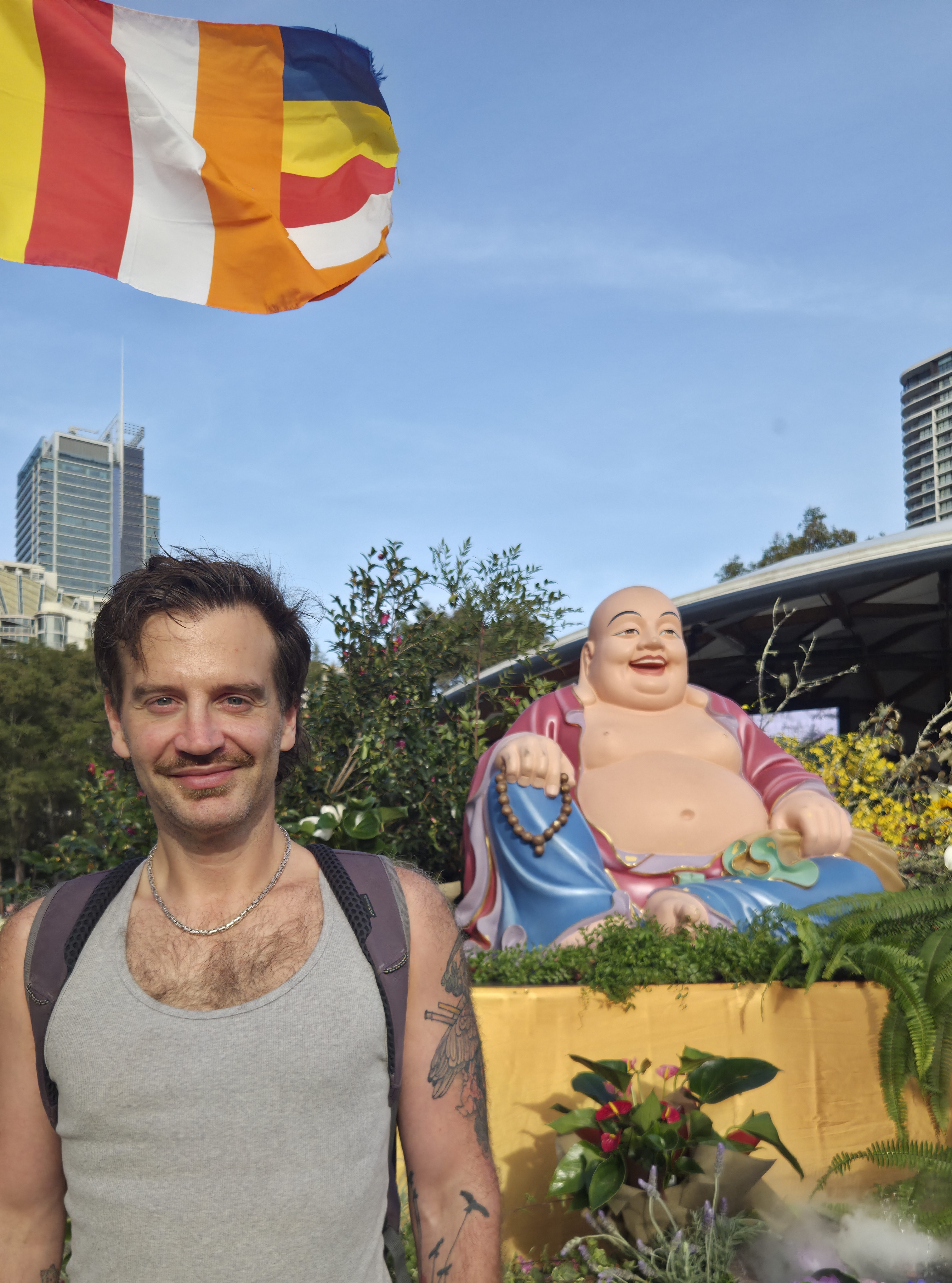
My name is Jacob Harrison, I’m a writer, content producer and occupational therapy student based in NSW, Australia. I hold a Bachelor of Media, majoring in Creative Writing and Screen Production, and I am currently completing a Bachelor of Occupational Therapy, with a focus on mental health. My background spans writing, video production, digital media, teaching, mental health advocacy, group facilitation and emerging clinical practice. I also bring substantial lived experience of mental ill-health, recovery and service use. This combination of competing versions of my past selves shapes my interest as both artist and clinician. It is my passion to deliver trauma informed, strength aligned, evidence based care in holistic collaboration with clients; to empower them to create a life of meaning, to communicate effectively and do the things they need to do and want to do.
At the heart of it though – I’m a storyteller.
This is nothing special. It’s not who I am, it’s not even what I do — It’s what we do. Story telling is the teleological human activity, the ultimate perennial occupation. Story telling isn’t just in our DNA – It is our DNA – And each of us a part of the genetic code in the timeless, expansive story of our species and cultures.
We are the products of story, of the metanarratives of ideology, identity, biology, society and systems. I live in a country shaped to the core by story, a heart of dreaming and songlines, populated by competing narratives and recontextualised histories. Humans are shaped by story, and we enact our agency upon the world through story. We are understood and understand through story. We are limited by the stories we tell ourselves, and through story we may achieve mastery and self-actualisation. Stories shall endure where moth and rust doth corrupt fact and number. I’m an advocate for the power of story to break down the barriers that divide us, cage us, or no longer serve us.
Creative Practice
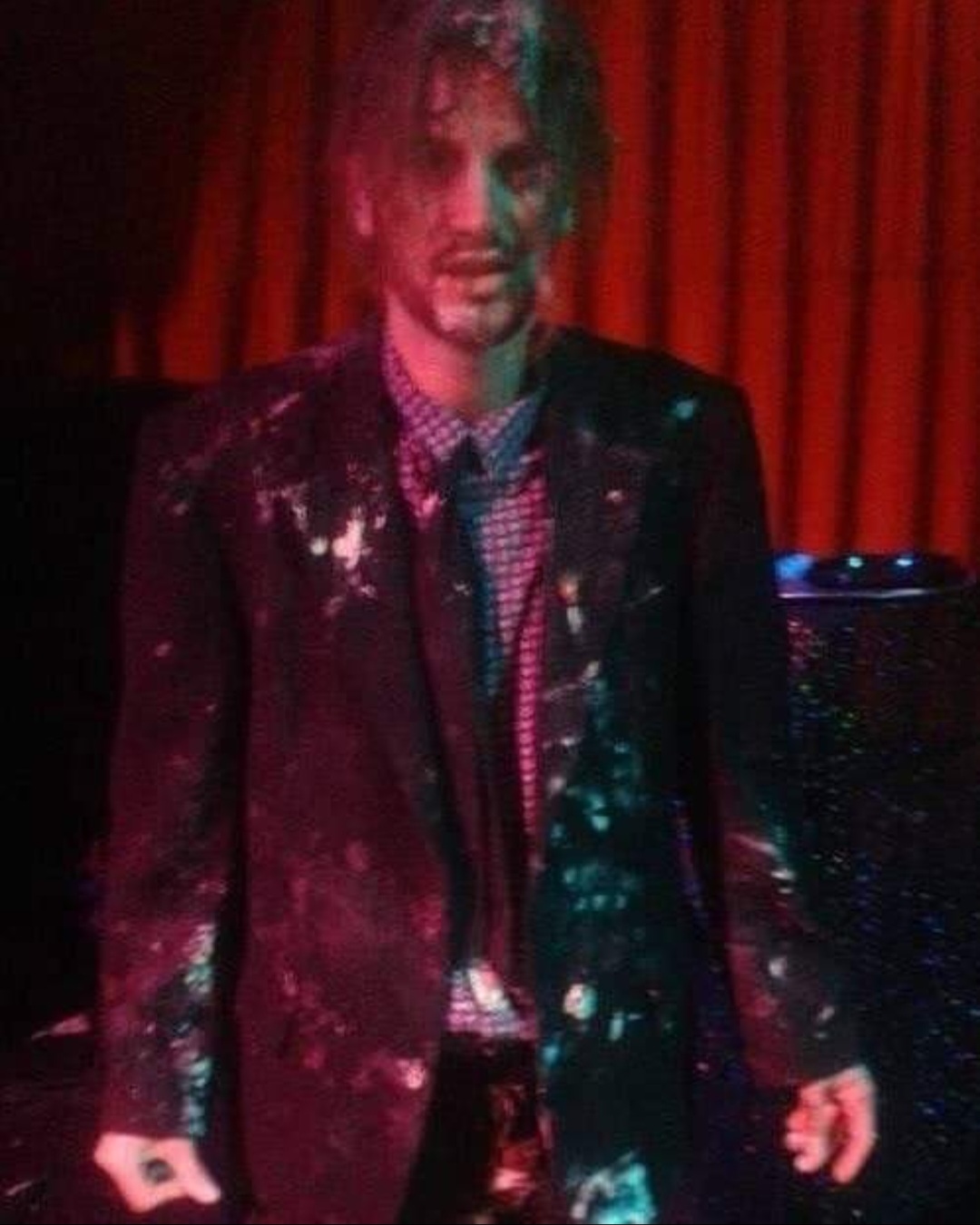
Although I have a passion for literary fiction, creative nonfiction, memoir and criticism, I am well versed in a variety of styles and formats. I am a proponent of the modular documentary, and am currently in pre-production for my first film essay.
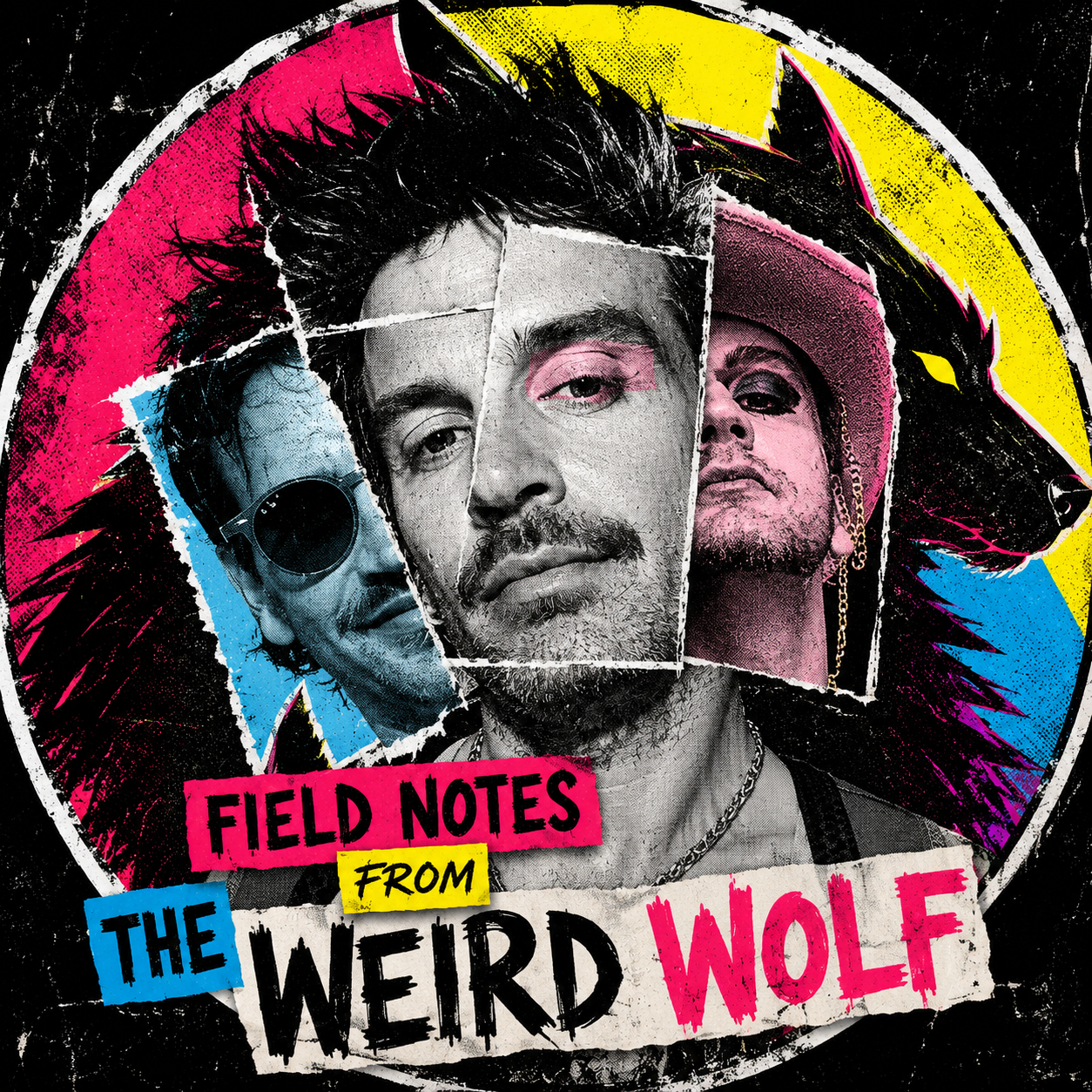
Field Notes From The Weird Wolf is my home for essays, memoir fragments and cultural criticism — A place to explore identity, the conflict between intention and action, cinema, spirit, creativity, recovery, occultism, politics, sexuality, self-expression in the age of algorithms, madness and sanity — A saunter through the zeitgeist whilst laughing together in the face of our inevitable atrophy.
You can find my other text based follies here, and my video indiscretions here. If you’re looking for skin, here it is.
Clinical and Professional Direction — My How
My clinical interest is shaped by my living experience as both emerging clinician and client, and a belief that people need more than symptom reduction.
It’s fantastic to see some change in health; the valuing of lived experience of clients and using that experience in how they design services, in research and helping clinicians practice strength based, client informed practice. But there is a small issue with the term “Lived Experience”. It’s in the past tense. It should be present, continuous tense of “Living Experience”. Lived experience belongs in obituaries, it implies I’m done – and I’m just getting started.
A major mental health crisis in 2017 led me through extended inpatient and rehabilitation treatment. During that period, I volunteered as a Media Content Coach; I designed a syllabus and taught a weekly class to teach other patients media skills. That experience helped me recognise the clinical power of creativity and storytelling, group work, peer connection and practical skill-building. I gained confidence as a leader, group facilitator and educator, and it inspired me to return to study to become an Occupational Therapist with a focus on mental health.
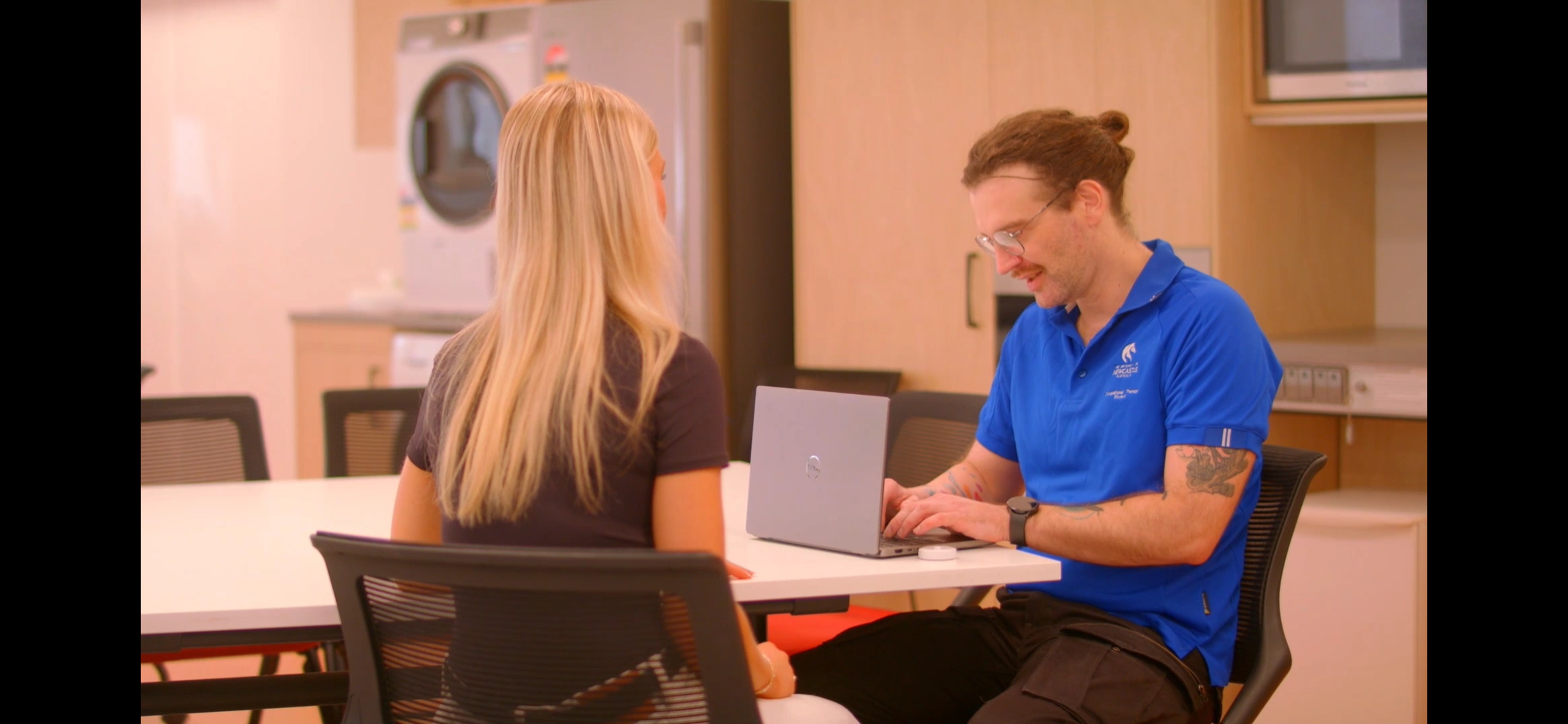
I have completed clinical placement in a range of settings during my degree, including inpatient and outpatient rehabilitation, palliative care, school based paediatrics and community mental health. Alongside my studies, I contribute to NSW Health HNELHD’s Lived Experience Participation Unit, volunteer in mental health inpatient settings, and support community health promotion work with ACON Hunter. These roles continue to shape my interest in recovery-oriented, trauma-informed, client-led and socially aware mental health practice.
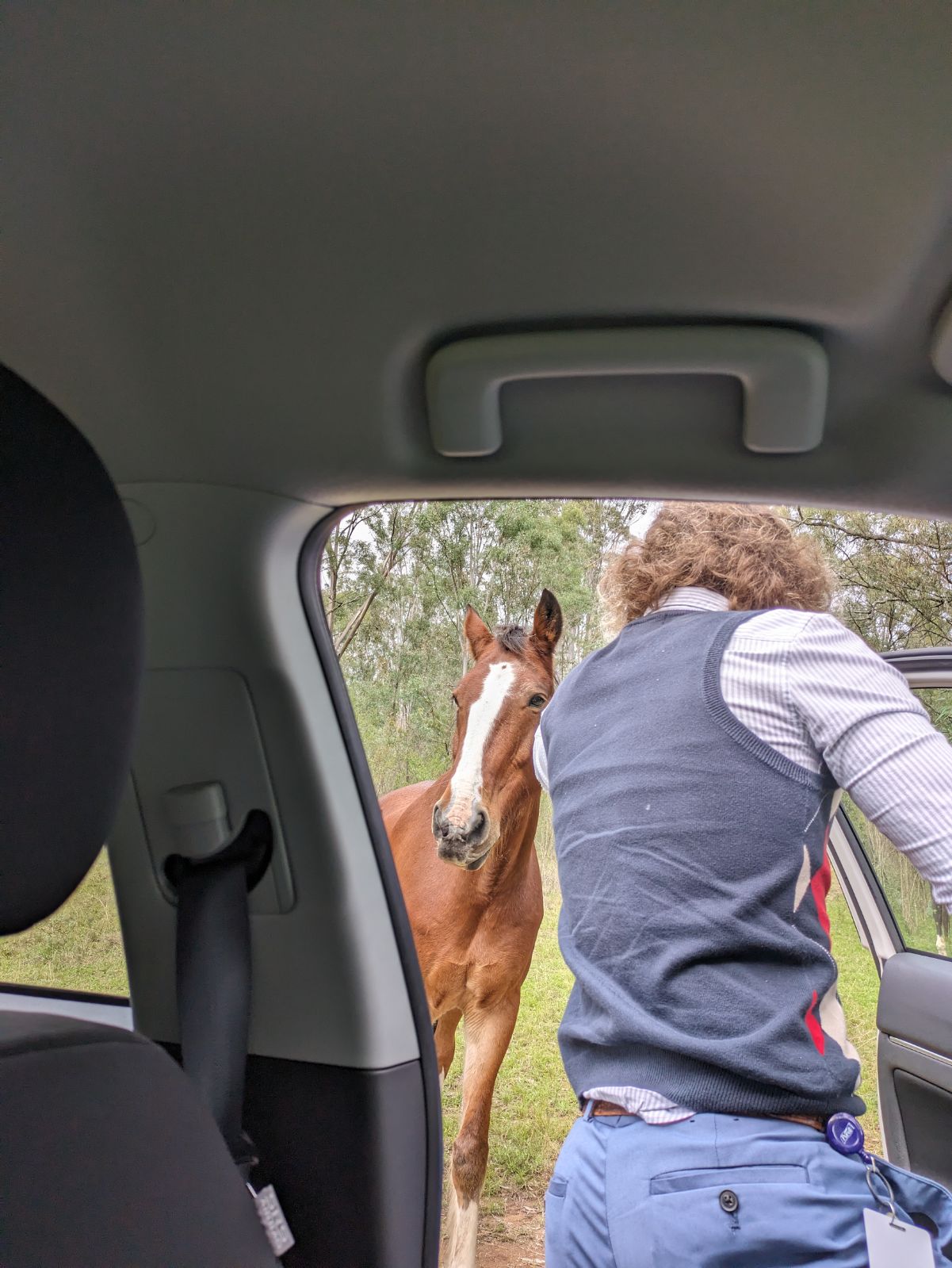
of diverse backgrounds
Occupational Justice and Mental Health — My Why
The oft referred to ‘Mental Health Crisis’ frames the contemporary ‘epidemic’ of mental health diagnoses, trauma and neurodivergence as to be completely divorced from systemic or social aetiology.
The discourse of mental health — its epistemologies, pedagogies, ontologies, industries and histories — may be represented by the following metaphor: An Emergency Room in Hell. Patients are being admitted every 30 seconds with horrific burns. The whole emergency department is on board and providing the best quality care – but without being resourced to ask patients where the fire is, who started it, is it under control, and with no other options, promptly discharge them straight back into the fiery pit. No wonder clinicians are burnt out, and clients left feeling caught in a revolving door of ineffective, incomplete care, of which they have little agency.
Our clients deserve more than managing expectations, management of symptoms, they deserve more than anaesthesia for their situation. We must provide more than a skillset to equip them as functional drones, more than psychoeducation to allow them to better accept their role and function in the producer/consumer social agreement.
Our clients deserve meaningful occupation, opportunities for personal agency, social connection, self-expression and self-actualisation and dignity. They must feel empowered with methods to communicate what care looks like to them, what a good life looks like to them – And as clinicians, we need to listen to them.
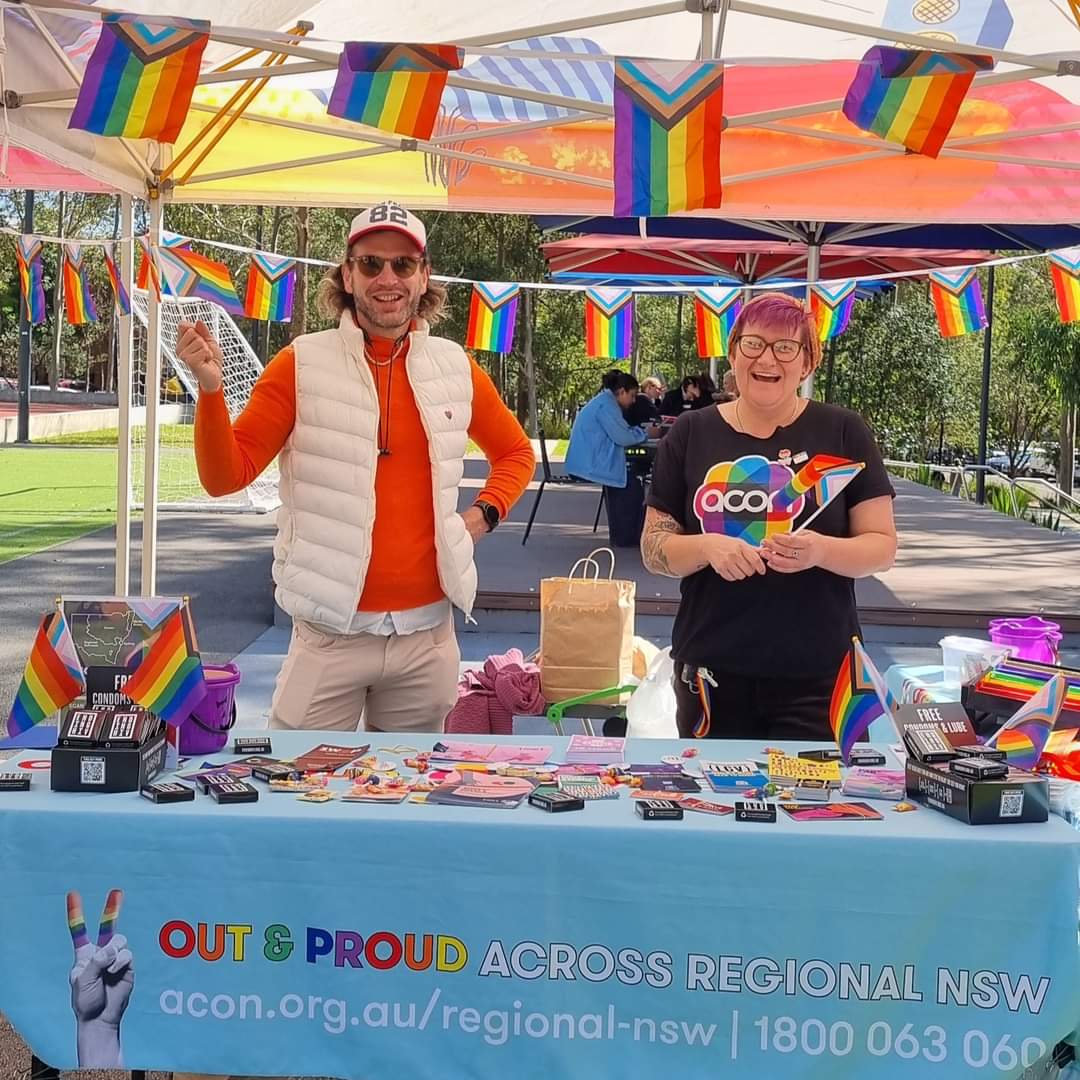
I have a strong sense of Occupational Justice; I bring my whole self to my role as a mental health clinician where I can utilise my therapeutic use of self to help meet people where they are at so that we might heal each other, our communities and our world together. My aspirations are to be a strong advocate for patient lead care in mental health, but also promote what client perspectives can tell us about wider societal issues; as Jiddu Krishnamurti once said, “It is no measure of health to be well adjusted to a profoundly sick society.”
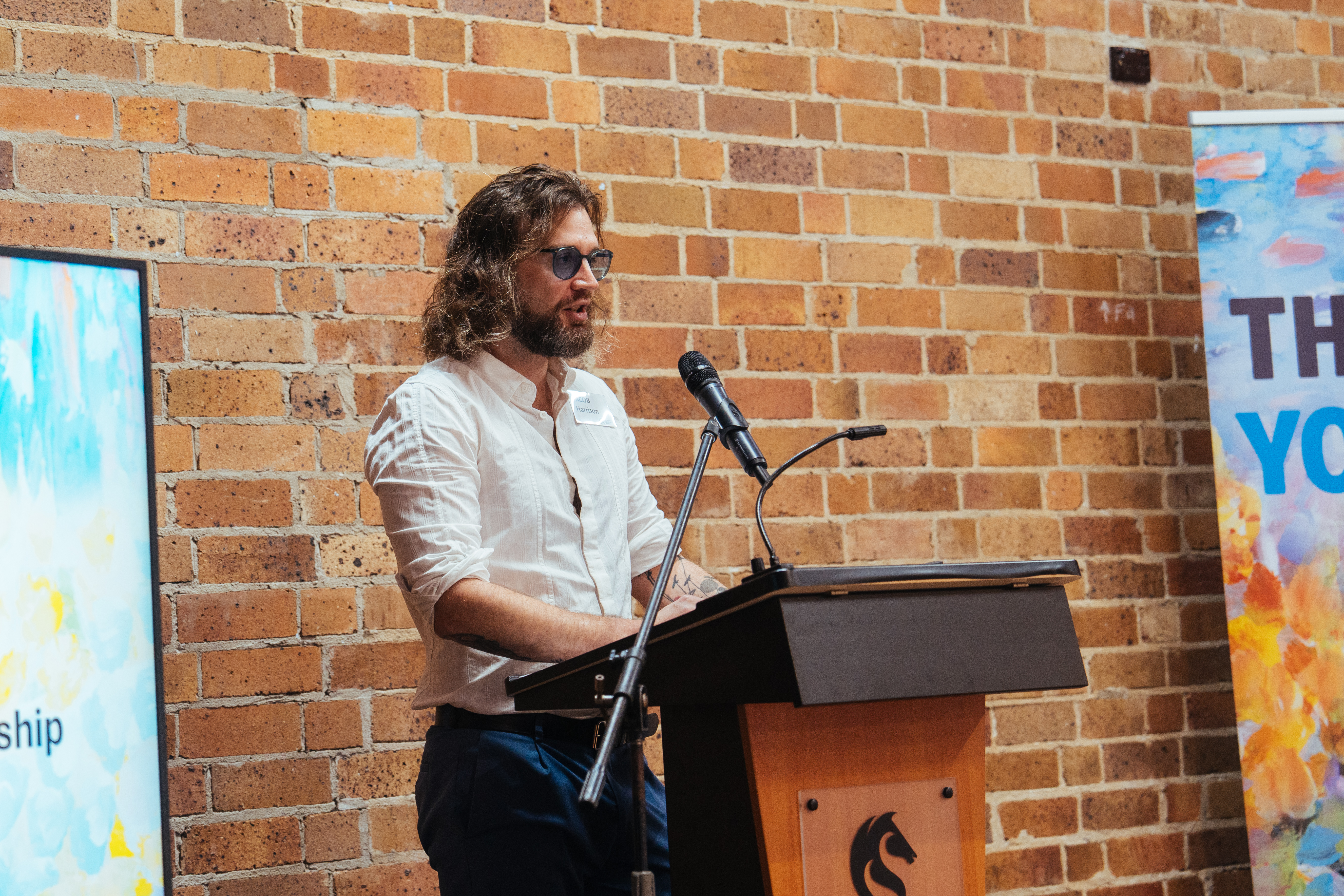
I want to show patients and the wider community their agency through the power of story, both as a device of healing and as a device of social change, and I will contribute to the wider discourse on systemic issues within mental health. I would like the opportunity to advocate for client perspectives, as they often provide unique, lateral spaces for creating novel solutions to complex problems; contributing to a society that can see diversity as a benefit rather than something in need of assimilation.
This site does not necessarily reflect the views of any organisation, employer or institution with which Jacob Harrison is currently or may in future be affiliated.

